SMC Breaks Enrollment Record Again
Spartanburg Methodist College once again recorded its highest enrollment ever with 1,220 students for the fall 2025 semester.
“We are blessed to be celebrating a record student body at SMC again this fall,” said President Scott Cochran. “The landscape in higher education is challenging right now, so to continue experiencing growth means we are doing something right and students and their parents are recognizing that.”
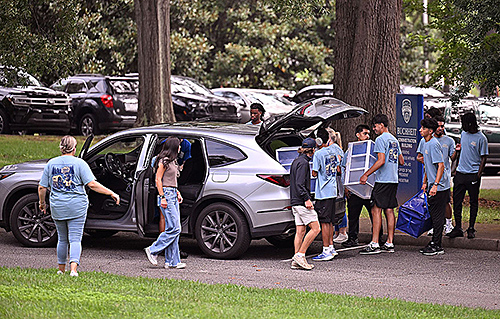
The fall enrollment broke the record set just last year and exceeded 1,200 students for first time in college history. Total enrollment increased by 8.1 percent over 2024. The 2025 enrollment total includes 951 students attending on campus and 269 online, which is also a record. More than 550 first-year students enrolled this fall.
SMC continues to grow its academic program, adding another new bachelor’s degree this fall with a BA in Humanities. The college will add its first Bachelor of Science degree in Exercise Science next fall.
“We continue to add new degrees, responding to the demand we are hearing for particular degree programs,” said Dr. Curt Laird, provost and executive vice president for academic affairs. “We are continuing to study the market and consider other programs that would fill a need in the Upstate.”
In addition to new degrees, SMC is also attracting students for its Camak Core professional development program. The mandatory set of classes is named for the college’s founder, Dr. David English Camak, and it teaches students the specific workplace skills employers say they want graduates to have. Courses include skills like professional communication, teamwork, problem-solving, and leadership.
“Study after study shows that employers want these particular skills in new hires but that college graduates do not have them developed yet,” President Cochran said. “We feel it’s important to fully prepare graduates for the workplace, so we not only require these courses, but we have made professional development an academic department.”